
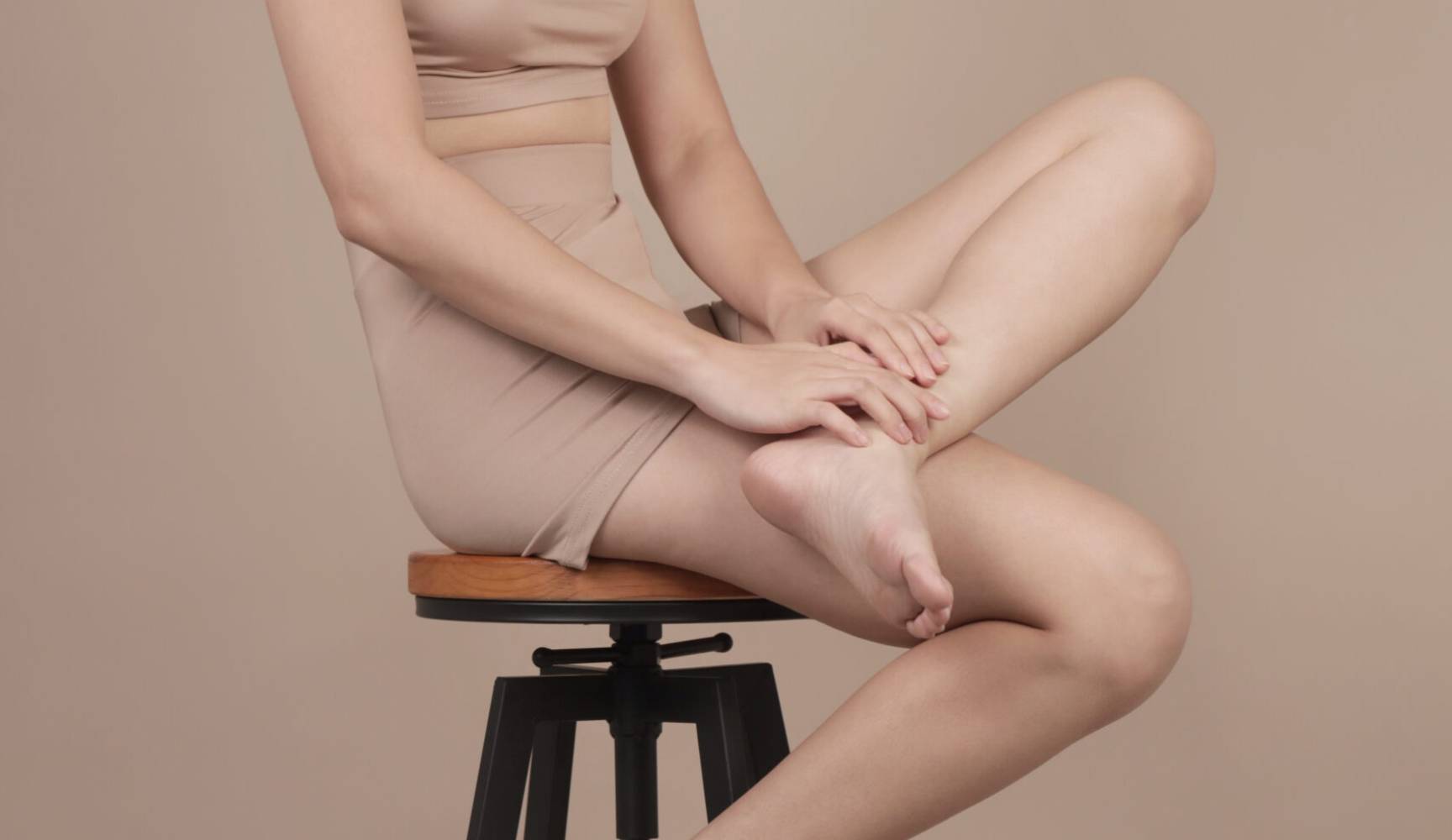
Sports Injuries
A clear guide to sports injuries: causes, common symptoms, when to see a doctor and how chiropractic care may help.
On this page
- What are sports injuries?
- What are the symptoms of sports injuries?
- What are the complications from sports injuries?
- What are the common causes of sports injuries?
- How can I prevent sports injuries?
- Do I need to see a doctor for a sports injury?
- What are the treatments for sports injuries?
- Is chiropractic care good for sports injuries?
Quick answer
Sports injuries happen during exercise or sport, from accidents, overtraining, skipped warm-ups or repeated movements, and affect the muscles, ligaments, joints, bones and cartilage. For many sprains, strains and joint problems, chiropractic care may help manage pain and restore movement as part of your recovery. Get urgent medical care straight away for a suspected fracture or dislocation, a head injury, or a joint you cannot move.
What are sports injuries?
Sports injuries happen during exercise or athletic activity. They can result from accidents, poor training practices, unsuitable equipment, lack of conditioning, skipping a warm-up or pushing yourself too hard.
Some injuries build up over time from repeating the same movement. These are known as overuse injuries. A sports injury involves damage to the muscles, ligaments, joints, bones or cartilage.
Sports injuries facts
- Chiropractic care has been used by Olympic athletes since 1976.
- Many sports injuries happen through falls, sudden twists or overuse.
- Warming up, good technique and building up training load gradually can help lower the risk of injury.
- Pain, swelling or weakness that lasts after an injury is a sign to have it assessed.
What are the symptoms of sports injuries?
Symptoms vary with the type and severity of the injury and the part of the body affected. Common symptoms include:
- Pain, which may be sharp, dull or throbbing
- Swelling, redness or bruising soon after the injury
- Stiffness, restricted movement or weakness
- A feeling that the joint is unstable or might give way
- Numbness or tingling, which can point to nerve involvement
- A “pop” or “snap” at the moment of injury
- Pain that keeps coming back even with rest
- A visible change in the shape of a bone or joint
- Dizziness or light-headedness after a head injury
Most common sports injuries
- Sprains and strains
- Knee injuries
- Inflammation such as tendonitis and bursitis
- Shin splints
- Rotator cuff injuries
- Fractures and dislocations
If you think you have a sports injury, stop the activity to avoid further harm. A suspected fracture, dislocation or concussion needs immediate medical attention.
What are the complications from sports injuries?
If a sports injury is not addressed properly, it can lead to longer-term problems, such as:
- Chronic pain from an injury that has not fully healed
- Stiffness, weakness and muscle wasting (atrophy) after long periods of inactivity
- Repeated sprains or dislocations, re-injury and a higher risk of arthritis
- Compartment syndrome, where raised pressure inside a muscle can damage muscles and nerves
- Growth plate problems in children
- Anxiety, low mood or fear of getting hurt again
Early, thorough rehabilitation and following medical advice can help reduce the risk of complications.
What are the common causes of sports injuries?
- Over-training: too much fatigue and too little recovery time can weaken the body.
- Repetitive overuse: repeating the same motion can gradually weaken or damage muscles and joints.
- Skipping the warm-up: around 20 minutes of stretching and light cardio raises blood flow to the muscles and may reduce the risk of injury.
- Poor posture or technique: this puts extra load on joints and muscles, starting as mild discomfort that can build into an injury.
- Incorrect equipment: worn-out shoes or ill-fitting gear can cause imbalance or extra stress on the body.
- Poor nutrition and hydration: these can slow muscle recovery and make cramps more likely.
- Returning too soon: training hard before you have recovered can worsen the injury or cause a new one.
How can I prevent sports injuries?
No precaution removes the risk completely, but these steps can lower your chances of getting hurt:
- Allow enough rest and recovery time between training sessions.
- Warm up properly before every session.
- Work on your technique with a coach or other professional.
- Look after your posture and movement. A chiropractor can assess how your spine and joints are moving.
- Wear the right protective gear and well-fitting shoes in good condition.
- Stay hydrated, and give muscle groups time to recover.
- Listen to your body: stop and rest if you feel pain, fatigue or discomfort.
Do I need to see a doctor for a sports injury?
Minor injuries can often be managed at home with the R.I.C.E. method (rest, ice, compression, elevation). See a doctor if you have:
- Severe pain that does not improve after a day or so
- Swelling that is excessive or does not settle with rest and elevation
- A joint that feels unstable, or a limb you cannot put weight on or use
- Symptoms that do not improve after several days, or repeated injuries in the same area
- Numbness or tingling, or a “pop” or “snap” at the time of injury
- A joint that locks and cannot be moved
- An open wound, especially if something may be stuck in it
Get medical help straight away if
- There is a visible deformity, such as a bone sticking out or a joint out of place
- You suspect a concussion, with symptoms such as headache, dizziness, confusion, nausea or sensitivity to light
What are the treatments for sports injuries?
Treatment depends on the type, severity and location of the injury. Options include:
- Pain relief, such as paracetamol, ibuprofen or pain-relief creams
- Physical therapy and exercises to restore movement and strength
- Chiropractic adjustments to help restore joint movement
- Braces, casts or splints to protect the area while it heals
- Corticosteroid injections or surgery, which a doctor may recommend for some injuries
- Supporting therapies such as ultrasound, electrical stimulation, massage, heat and taping
Care at Healing Hands Wellness Cambodia
Your first visit includes an AI posture analysis, a Walker View gait analysis and a one-to-one consultation with the chiropractor. Where clinically suitable, it also includes a chiropractic adjustment and supporting therapy such as E-stim, ultrasound or the flexion-distraction table (FDT). Shockwave therapy is also available for some tendon and soft-tissue injuries.
Is chiropractic care good for sports injuries?
Many amateur and professional athletes use chiropractic care as part of their recovery. Potential benefits include:
- Non-invasive care, without surgery or injections
- Adjustments that aim to reduce pain and restore joint movement
- Techniques that may ease muscle tension
- A whole-body view of the spine and joints such as the shoulder, knee and ankle
- Advice and exercises to help you rehabilitate and strengthen
At Healing Hands Wellness Cambodia, posture and gait analysis help your chiropractor see how you stand and move, so your care can be planned around what is found. It is wise to combine chiropractic care with advice from other healthcare professionals where needed.
Why Healing Hands
Why choose Healing Hands Wellness?
Healing Hands Wellness Cambodia brings the Healing Hands approach to chiropractic care to our clinic in Phnom Penh, open every day.
Your first visit starts with an AI posture analysis, a Walker View gait analysis and a one-to-one consultation with a chiropractor, so your care plan is based on what we find. Our chiropractors use non-invasive techniques and explain each step before treatment.
Not sure what is causing your pain? Start with an assessment.
Your first visit includes an AI posture analysis, a Walker View gait analysis, a consultation with a chiropractor, an adjustment where suitable and supporting therapy, for US$68.
Your first visit
What to expect at your first visit.
Here is what happens at your first appointment, so you know what to expect before you arrive.
01
AI posture & gait analysis
Our AI posture analysis checks your posture from head to hips, and the Walker View gait analysis measures how you walk and share your weight. It is quick and painless.
02
Consultation
A one-to-one chat with your chiropractor about your health history, what you are feeling and what you would like to get back to doing.
03
Physical assessment
Simple movement and range-of-motion tests show how your body is moving today, so your chiropractor can decide whether an adjustment is right for you.
04
Chiropractic adjustment
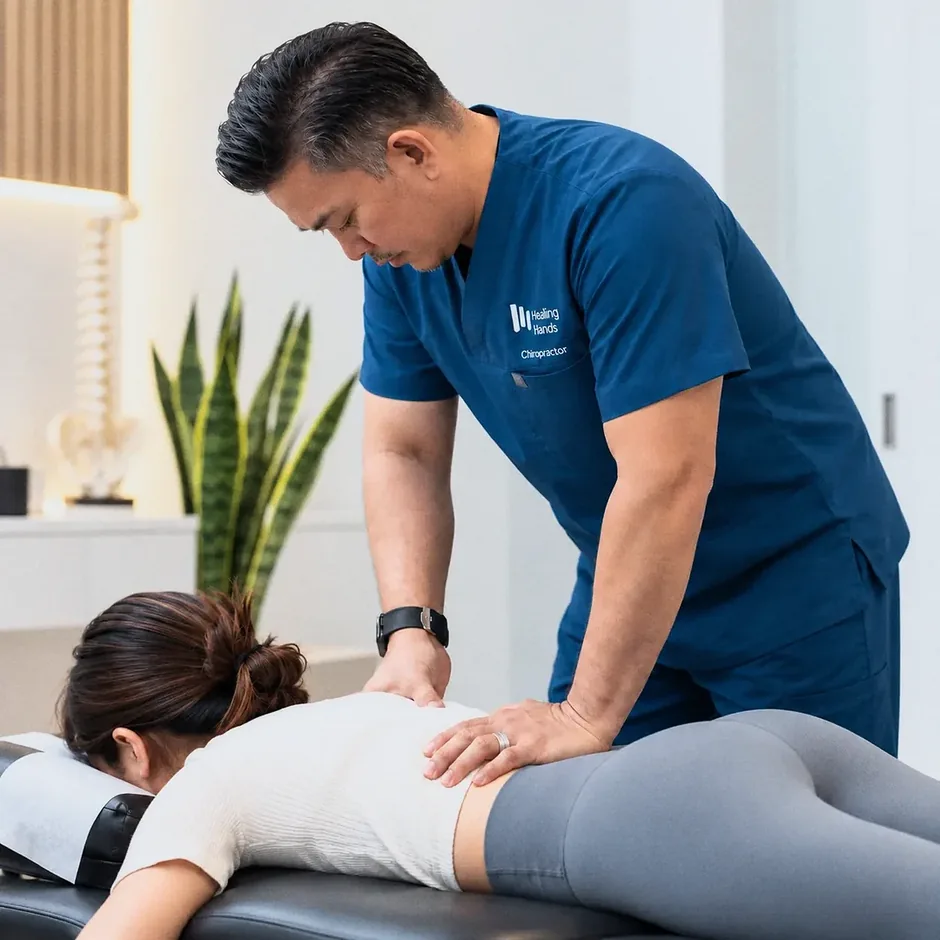
If it is clinically safe, your chiropractor makes gentle, controlled adjustments by hand. A “pop” sound is normal; it is just gas being released from the joint.
05
Supporting therapy
E-stim, ultrasound or the flexion-distraction table (FDT) to help relax muscles and support your recovery.
Good to know
Questions,
answered.
Can’t find what you’re looking for? Message us and our team will happily help.
What does a chiropractor do?
A chiropractor offers non-invasive care using adjustments, supporting therapies such as E-stim, ultrasound and the flexion-distraction table, and exercises. If you have a suspected fracture, dislocation or head injury, see a doctor first.
Is chiropractic treatment painful?
Chiropractic adjustments should not be painful. If an injury is recent or still healing, the area may feel sensitive to touch, so your chiropractor will assess you first and explain each step.
What is a chiropractic adjustment?
The chiropractor uses their hands or a small instrument to apply a controlled force to a joint. You may hear a “pop”, which is simply gas being released from the joint.
What happens at my first visit?
Your first visit is US$68. It includes an AI posture analysis, a Walker View gait analysis, a one-to-one consultation with the chiropractor and, where clinically suitable, an adjustment and supporting therapy.
Conditions
Other conditions we help with
Our clinic in Phnom Penh
Find us in
Phnom Penh.
Visit our clinic in Phnom Penh, open every day, near home, near work or on your commute.
Address
No. 5 Wat Koh St (St. 81), 4th Floor, Phnom Penh 12211, Cambodia
Opening hours
Mon – Fri: 8:30 am – 1 pm, 2 – 6 pm
Sat – Sun: 8:30 am – 5 pm
Phone
Book your visit
Request an
appointment.
Tell us how to reach you and when suits you, and our team will be in touch to confirm your appointment.
- Personalised care across all services
- Open every day
- Quick appointment confirmation