
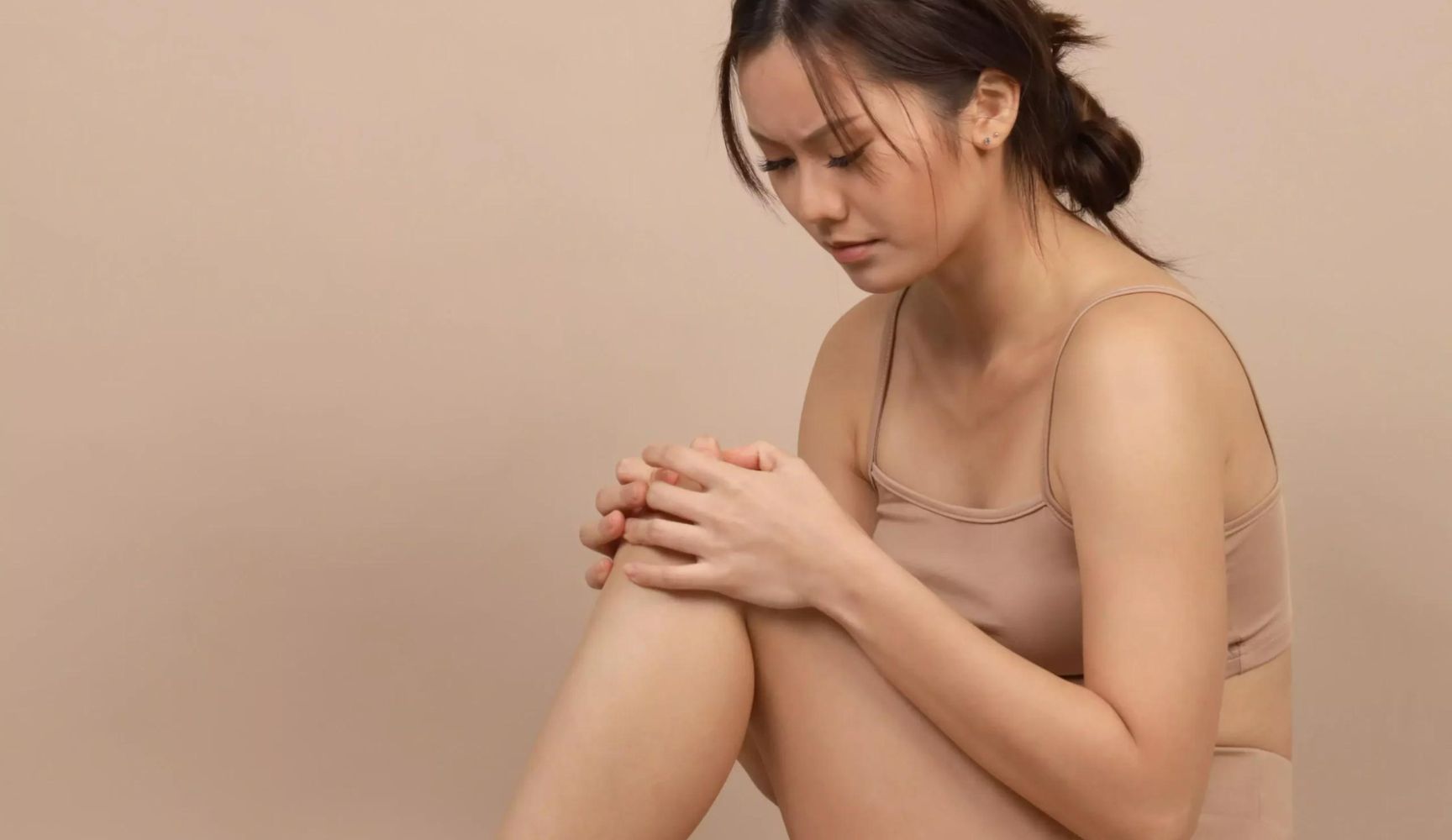
Knee Pain
A clear guide to knee pain: causes, common symptoms, when to see a doctor and how chiropractic care may help.
Quick answer
Knee pain can come from injuries, mechanical problems or arthritis. Chiropractic care may help some people, particularly when the knee is affected by how the hips, spine and legs move together, but results depend on the cause. See a doctor straight away if your knee is very swollen, cannot take your weight, locks or looks deformed.
What is knee pain?
Knee pain is a common musculoskeletal problem that affects people of all ages. It can be caused by mechanical problems, injuries or arthritis.
Age, excess weight, family history, previous injury and overuse can all contribute to knee pain over time. If discomfort persists, an assessment can help find the underlying cause and suitable treatment options.
Knee pain facts
- Sudden pain and swelling after a twist may suggest a torn meniscus (the knee’s cartilage cushion), while pain that builds up gradually is more typical of arthritis.
- Osteoarthritis, caused by gradual wear and thinning of the cartilage, is the most common form of arthritis affecting the knee.
- Knee osteoarthritis is not limited to older people; active young adults and people with previous knee injuries also have a higher risk.
- Hip or foot pain can change the way you walk and place extra stress on the knee.
What are the symptoms of knee pain?
Knee pain can range from mild twinges to severe pain. Common symptoms include:
- Pain that is sharp, dull, burning or throbbing, either constant or only with certain movements
- Swelling from fluid in or around the joint
- Stiffness, or difficulty bending or straightening the knee
- Redness and warmth, which can signal inflammation or infection
- Weakness, or a feeling that the knee might give way
- Popping or crunching noises (crepitus) when the knee moves
- Locking, where the knee gets stuck in one position
- A visible deformity after a significant injury
What are the complications of knee pain?
If knee pain is not managed well, possible complications include:
- Chronic, ongoing pain and reduced range of motion
- Weakness or wasting of the leg muscles from less use
- Joint instability, raising the risk of falls or re-injury
- Lasting joint deformity from some arthritic conditions or untreated injuries
- Osteoarthritis developing or worsening after untreated ligament or meniscus tears
- Changes to the way you walk, which can lead to problems in the hips, ankles or lower back
- Difficulty with everyday tasks such as walking, climbing stairs or getting up from a chair
Addressing knee pain early with suitable care can help manage symptoms and lower the risk of complications.
What are the common causes of knee pain?
Knee pain may follow an injury, such as a torn ligament or cartilage, or come from medical conditions such as infection, arthritis or gout. Common causes include:
- Arthritis: osteoarthritis, from gradual wear and thinning of the cartilage, is the most common form affecting the knee.
- Injuries: falls, awkward movements, direct blows, sudden twists or overuse in sport can damage the joint, ligaments and tendons.
- Repeated stress: running, prolonged squatting, climbing steps, long periods of standing and heavy lifting all load the knee.
- Poor posture: sitting with your legs crossed or tucked underneath you can put extra pressure on the kneecap.
- Dislocated kneecap: the kneecap (patella) moves out of place.
- Iliotibial band syndrome: a tight band of tissue running from the hip to the shin rubs against the outer thigh bone.
- Loose body: a piece of bone or cartilage breaks off and floats in the joint.
- Hip or foot pain: changing the way you walk to protect a painful hip or foot can place more stress on the knee.
Pain often comes from a combination of issues, so a proper diagnosis by a medical professional is important.
Do I need to see a doctor for knee pain?
Not every episode of knee pain needs a doctor, but see one if you have:
- Severe pain, or pain that starts suddenly after a fall, accident or direct blow
- Sudden or severe swelling, with or without a clear cause
- A knee that looks misshapen or out of line
- A knee that feels unstable, gives way or cannot take your weight
- Difficulty fully bending or straightening the knee, or a knee that locks
- Warmth, redness and fever, which can be signs of infection
- A loud pop at the time of injury
- Mild pain that does not improve after a few days of home care
- Pain at night or at rest that disturbs your sleep
- New or worsening pain with a known condition such as rheumatoid arthritis
For mild knee pain, rest, ice, compression and elevation (R.I.C.E.) may help. Use pain relievers as directed, and check with a doctor before using them for long. If you are unsure, seek medical advice.
What are the treatments for knee pain?
Treatment depends on the cause, its severity and your overall health. Options include:
Chiropractic care
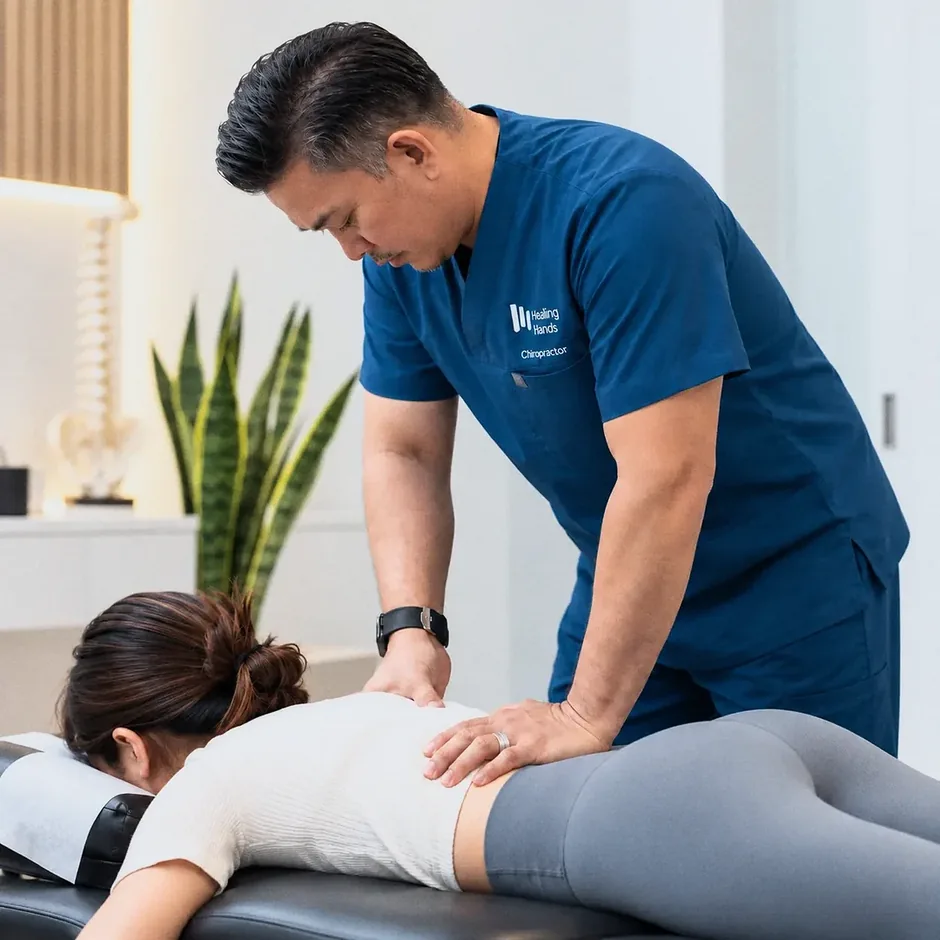
A chiropractor may make gentle, controlled adjustments to the knee to help restore movement and ease pressure. Because imbalances in the pelvis or spine can change the way you walk and add stress to the knees, these areas may also be assessed and adjusted.
Medication and injections
- Pain relievers such as paracetamol, and anti-inflammatory medicines (NSAIDs) such as ibuprofen
- Disease-modifying antirheumatic drugs (DMARDs) for rheumatoid arthritis
- Corticosteroid, hyaluronic acid or platelet-rich plasma (PRP) injections, which a doctor may recommend
Surgery
- Arthroscopic (keyhole) surgery to remove loose bodies or repair a torn meniscus or ligament
- Partial or total knee replacement
- Osteotomy, where the bone is cut to realign the knee, or joint fusion
Is chiropractic care good for knee pain?
Chiropractic care may help some people with knee pain, but results vary with the cause and your circumstances. Possible benefits include:
- A whole-body view: the chiropractor looks at the spine, pelvis, hips and feet, not just the knee
- Non-invasive care for people who would like to avoid medication or surgery where possible
- Relief that some patients notice soon after an adjustment, though this varies
- Better range of motion for some patients
- Care aimed at movement problems that may be adding to knee pain
At Healing Hands Wellness Cambodia, your first visit includes an AI posture analysis, a Walker View gait analysis and a one-to-one consultation with the chiropractor. Where clinically suitable, care may include adjustments, supporting therapy such as E-stim, ultrasound or the flexion-distraction table (FDT), and exercises.
Shockwave therapy is also available for tendon and soft-tissue problems around the knee. Your chiropractor may refer you to a doctor if needed.
Why Healing Hands
Why choose Healing Hands Wellness?
Healing Hands Wellness Cambodia brings the Healing Hands approach to chiropractic care to our clinic in Phnom Penh, open every day.
Your first visit starts with an AI posture analysis, a Walker View gait analysis and a one-to-one consultation with a chiropractor, so your care plan is based on what we find. Our chiropractors use non-invasive techniques and explain each step before treatment.
Not sure what is causing your pain? Start with an assessment.
Your first visit includes an AI posture analysis, a Walker View gait analysis, a consultation with a chiropractor, an adjustment where suitable and supporting therapy, for US$68.
Your first visit
What to expect at your first visit.
Here is what happens at your first appointment, so you know what to expect before you arrive.
01
AI posture & gait analysis
Our AI posture analysis checks your posture from head to hips, and the Walker View gait analysis measures how you walk and share your weight. It is quick and painless.
02
Consultation
A one-to-one chat with your chiropractor about your health history, what you are feeling and what you would like to get back to doing.
03
Physical assessment
Simple movement and range-of-motion tests show how your body is moving today, so your chiropractor can decide whether an adjustment is right for you.
04
Chiropractic adjustment
If it is clinically safe, your chiropractor makes gentle, controlled adjustments by hand. A “pop” sound is normal; it is just gas being released from the joint.
05
Supporting therapy
E-stim, ultrasound or the flexion-distraction table (FDT) to help relax muscles and support your recovery.
Good to know
Questions,
answered.
Can’t find what you’re looking for? Message us and our team will happily help.
When should I see a chiropractor for knee pain?
Consider seeing a chiropractor if you have ongoing discomfort, aches or stiffness in your knee or other joints. If your knee is very swollen, cannot take your weight or locks, see a doctor first.
What does a chiropractor do?
A chiropractor provides non-invasive care using adjustments, supporting therapies such as E-stim, ultrasound and the flexion-distraction table, and functional exercises.
Is chiropractic treatment painful?
Adjustments should not be painful. If an injury is recent or still healing, the area may feel sensitive to touch, and your chiropractor will adapt the treatment.
What is included in my first visit?
Your first visit is US$68. It includes an AI posture analysis, a Walker View gait analysis, a one-to-one consultation with the chiropractor and, where clinically suitable, an adjustment and supporting therapy.
Conditions
Other conditions we help with
Our clinic in Phnom Penh
Find us in
Phnom Penh.
Visit our clinic in Phnom Penh, open every day, near home, near work or on your commute.
Address
No. 5 Wat Koh St (St. 81), 4th Floor, Phnom Penh 12211, Cambodia
Opening hours
Mon – Fri: 8:30 am – 1 pm, 2 – 6 pm
Sat – Sun: 8:30 am – 5 pm
Phone
Book your visit
Request an
appointment.
Tell us how to reach you and when suits you, and our team will be in touch to confirm your appointment.
- Personalised care across all services
- Open every day
- Quick appointment confirmation