An unexpected physical accident can alter daily life in an instant. After the accident many individuals continue to experience long-term mobility loss, persistent stiffness, and difficulty performing essential daily tasks long after the initial physical trauma has resolved.
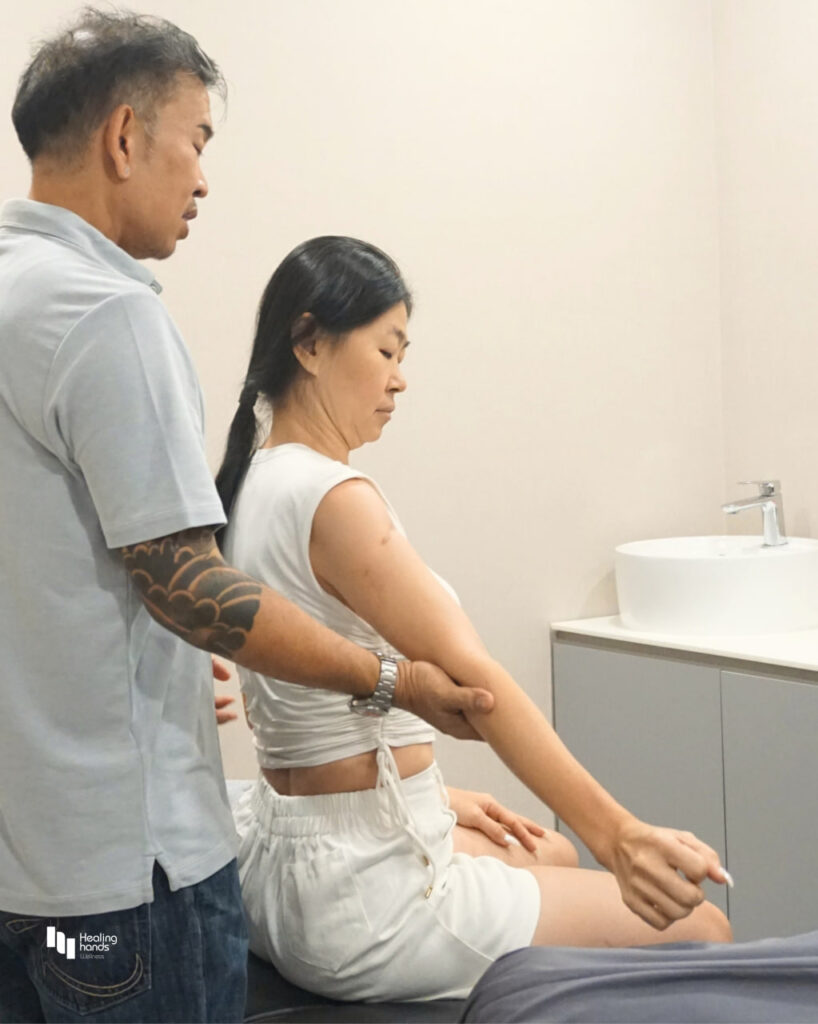
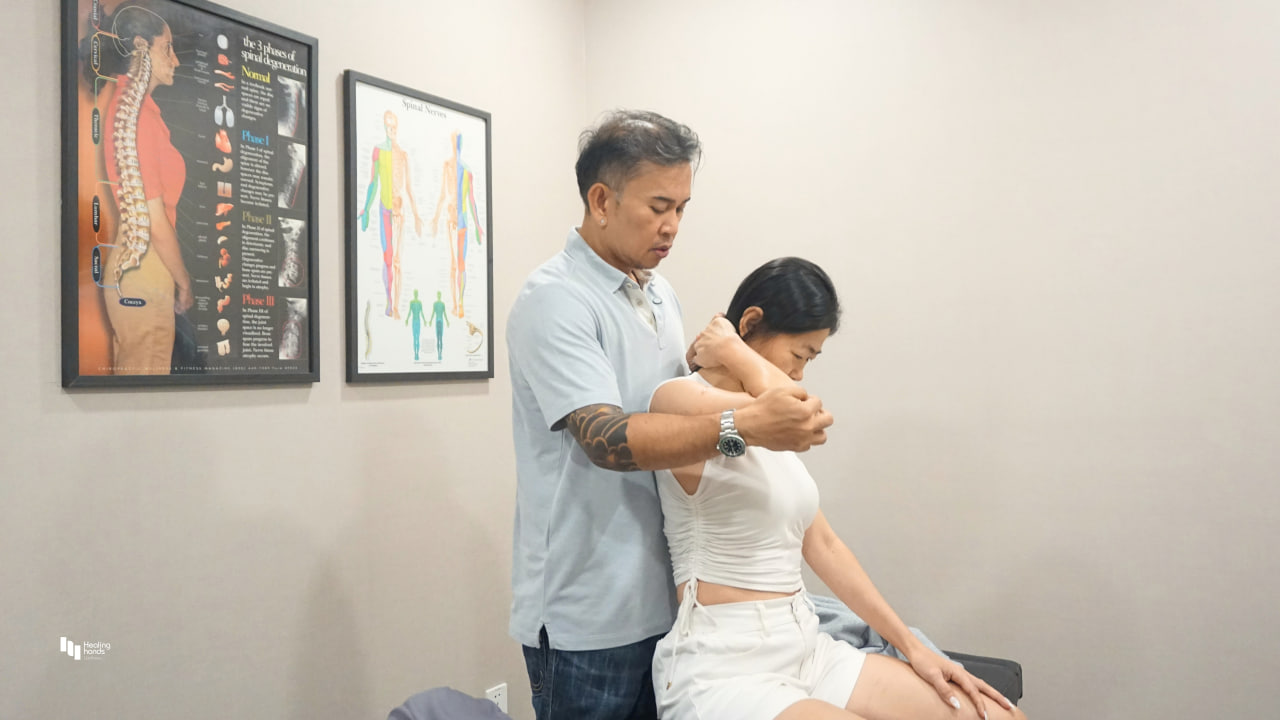
For Ms. Sakura, the aftermath of her accident presented a significant functional challenge: severe restriction in upper-body mobility that prevented her from raising her arms. Everyday tasks—reaching for items on a high shelf, styling her hair, or getting dressed—became major obstacles. Achieving a full recovery required a targeted clinical approach focused on structural alignment and biomechanical restoration.

Clinical Approach & Treatment Strategy
Rather than focusing solely on symptom management, Dr. Marc’s protocol centers on restoring structural alignment and optimal joint mechanics to support the body’s natural healing processes.
Ms. Sakura’s customized care plan addressed three key areas:
- Comprehensive Assessment: Identifying specific joint misalignments across the cervical and thoracic spine, along with biomechanical restrictions within the shoulder girdle.
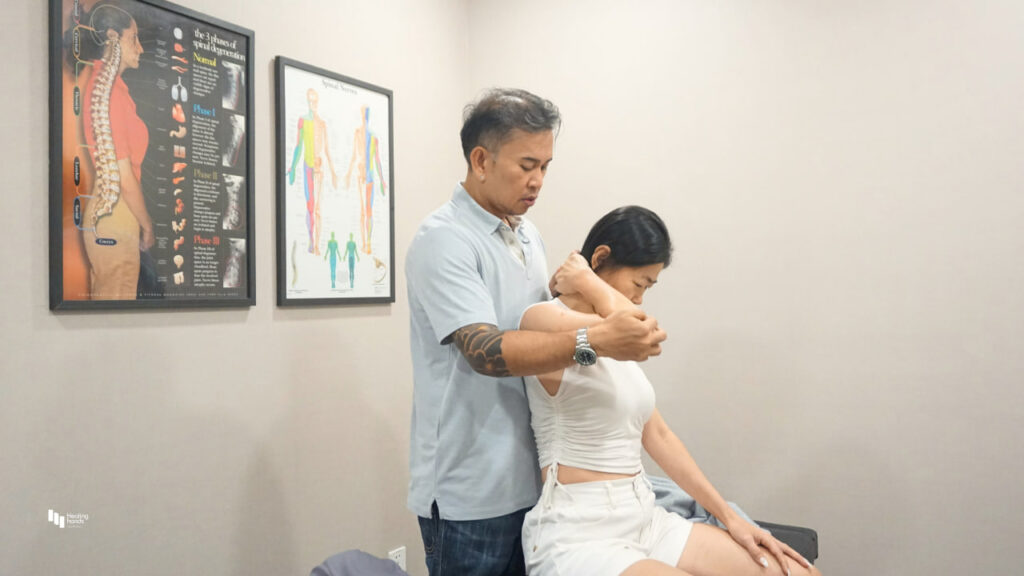
- Targeted Adjustments: Utilizing precise, gentle chiropractic techniques to restore natural alignment and relieve pressure on surrounding muscular and nervous systems.
- Rehabilitative Mobility Protocols: Implementing progressive movement strategies to safely retrain muscle memory and expand her pain-free range of motion.
“When addressing post-trauma mobility loss, our primary focus is bringing balance back to both the spine and the surrounding joints. By restoring proper alignment, we allow the body to regain its structural function and move without restriction.”
— Dr. Marc Calaunan

Through a structured care plan, Ms. Sakura achieved progressive improvements in her upper-body mobility. As joint function was restored and pressure on surrounding tissues decreased, her muscular tension released, allowing her to raise her arms higher and with greater ease. Today, Ms. Sakura has achieved a full recovery of her range of motion. She is able to perform daily tasks comfortably and return to her regular routine with confidence.
Physical trauma frequently results in structural misalignments that rarely resolve without targeted intervention. Left unaddressed, these functional impairments can lead to chronic pain, compensatory strain on secondary body parts, and permanent movement limitations.
Specialized Chiropractic (Wellness) Care supports post-injury recovery by:
- Restoring Joint Mechanics: Realigning structural components to restore natural, fluid movement.
Reducing Nerve Stress: Alleviating physical pressure on surrounding nerves to minimize persistent discomfort. - Improving Muscular Balance: Rebalancing surrounding muscle groups to prevent compensatory strain.
When post-accident trauma leads to severe mobility loss, specialized chiropractic (wellness) care addresses the root cause by restoring proper spinal and joint alignment. By focusing on mechanical recovery rather than temporary relief, patients can safely eliminate pain, correct muscular compensation, and fully reclaim their functional range of motion for daily life.
Doctor Marc Calaunan site: https://marccalaunan.com/